High aesthetic appeal and meticulous attention to detail
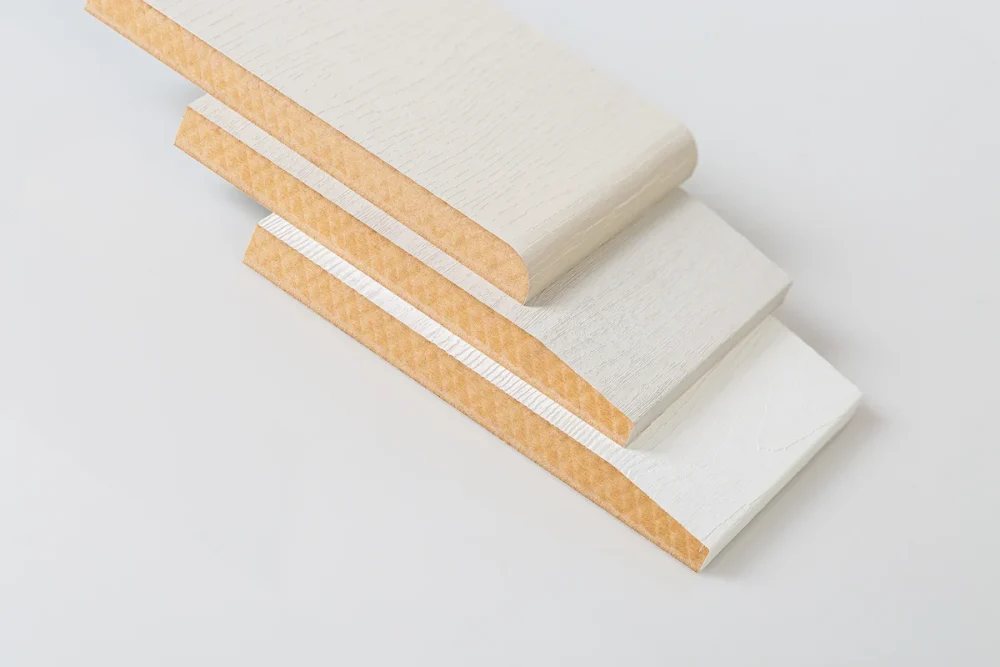
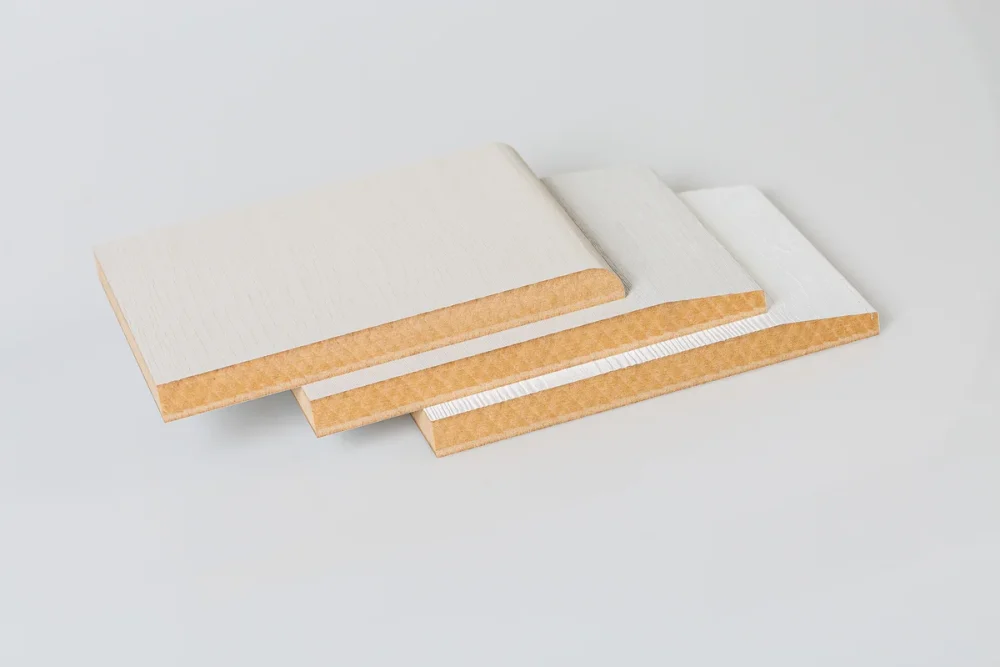
One of the most important advantages of postforming technology is the aesthetic appeal of the resulting finish. The seamless transition between the panel’s surface and its edge gives furniture pieces a cohesive and elegant appearance. The absence of visible joints creates the effect of a uniform surface, which significantly enhances the product’s visual quality.
Rounded edges give the furniture a modern character and make the whole piece look lighter and more harmonious. In furniture design, details are of paramount importance—it is precisely the carefully finished edges that often determine how the entire product is perceived.
Postforming technology also ensures consistency of the decor across the entire surface of the element. The decorative layer transitions seamlessly from the surface of the panel to its edge, preventing visual breaks or differences in the material’s texture. This solution works particularly well for large surfaces, such as countertops or furniture fronts.
Refined details are important from the perspective of both designers and end users. An aesthetic finish underscores the product’s high quality and the professional nature of its craftsmanship.
User Comfort and Safety
The rounded edges achieved through postforming technology significantly enhance the comfort of everyday furniture use. The absence of sharp edges makes the furniture more user-friendly and safer to handle.
In practice, this means a lower risk of accidental bumps or scrapes when using the furniture. This is particularly important in high-traffic areas such as kitchens, bathrooms, offices, and public spaces.
Rounded edges are also more ergonomic—they feel pleasant to the touch and make using countertops or other furniture elements more comfortable. For work surfaces, such as kitchen countertops, this is especially important during prolonged use.
Durability and Resistance to Daily Use
Furniture components finished using postforming technology are also highly durable. The contoured edges are less susceptible to mechanical damage than sharp panel edges, which helps reduce the risk of chips or scratches that occur during use.
Proper profiling of the material makes the edge an integral part of the panel’s surface. As a result, the components retain their aesthetic appearance for a long time, even with heavy use.
This technology also performs well in rooms with high humidity or fluctuating temperatures, such as kitchens or bathrooms. The appropriate design of the elements and the quality of the materials used ensure the finish remains durable under demanding conditions.
As a result, postforming is used in the production of elements that must combine aesthetics with resistance to daily use.
Precision and Repeatability in the Manufacturing Process
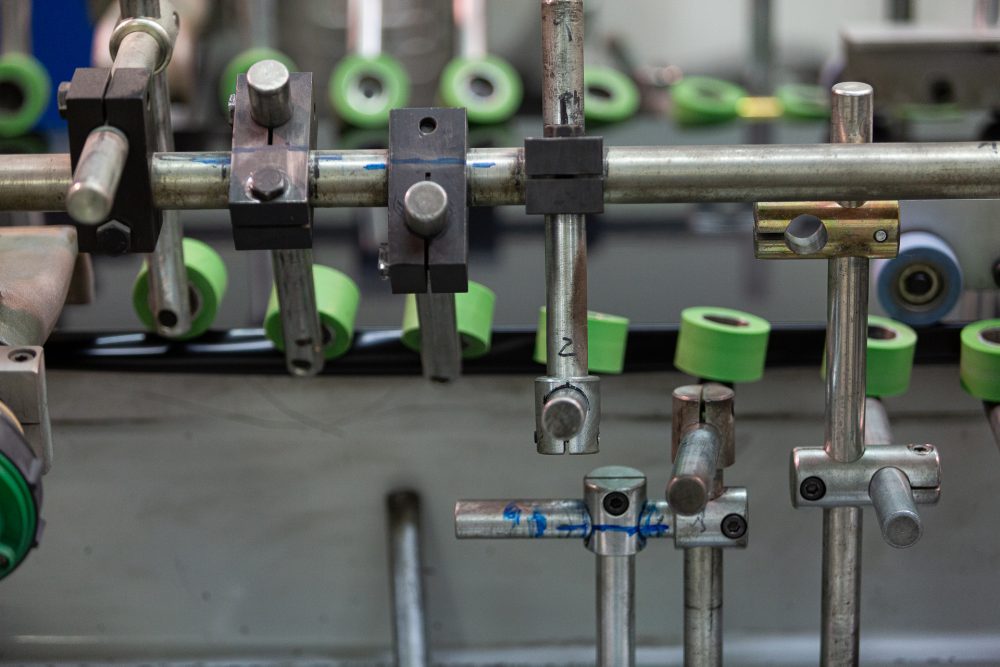
The postforming process requires a high degree of technological precision and precise control of production parameters. Every stage—from panel preparation, through heating the decorative layer, to the actual edge forming—must be carefully planned and synchronized.
Factors such as material temperature, pressure of the profiling rollers, and production line speed are of key importance. Proper adjustment of these parameters ensures uniform edge profiling along the entire length of the element.
This ensures high repeatability of the production process. Each subsequent element can be manufactured with the same precision and identical finishing parameters. This is particularly important in mass production, where consistent quality of all components is essential.
The stability of the manufacturing process also translates into production efficiency. The repeatability of parameters allows for the efficient fulfillment of larger orders and the maintenance of a high quality standard at every stage of production.
Precise edge profiling ensures that components manufactured using postforming technology meet requirements in terms of both aesthetics and functionality.
Summary
Postforming technology is one of the key solutions used in modern furniture manufacturing. It enables the creation of an aesthetic, durable, and functional edge finish for furniture panels, which enhances both the appearance and the comfort of use of the finished products. Thanks to the ability to precisely profile edges, the use of modern materials, and the application of durable bonding systems, this technology enables the creation of furniture components that meet the high demands of today’s market. As a result, postforming remains one of the most important processes used in the furniture industry, allowing manufacturers to execute projects that combine aesthetics, durability, and functionality.
Contact
Do you have questions? Contact us.
We will be pleased to answer all questions about MELACO’s offer, terms of cooperation and orders. Write or call us.
Contact
Melaco sp. z o.o.
ul. Ciepielowska 9
67-100 Nowa Sól
Poland
SALES DEPARTMENT
Agata Sroczyńska
Sales Coordinator
SALES DEPARTMENT
Beata Prałat
Sales Specialist